Walk into any type of work environment in Maitland and you'll see a first aid package on the wall, perhaps an AED put near reception, and a few personnel with name badges that discuss safety. These are calming sights. What conserves lives, however, is much less visible: tranquility, exercised hands starting mouth-to-mouth resuscitation within secs, a person sending for the defibrillator, a voice on speaker with Three-way Absolutely no leading the scene. Excellent intentions assist, yet proper method and confidence originate from deliberate practice and proper info. That's where high quality Maitland emergency treatment training makes the difference.
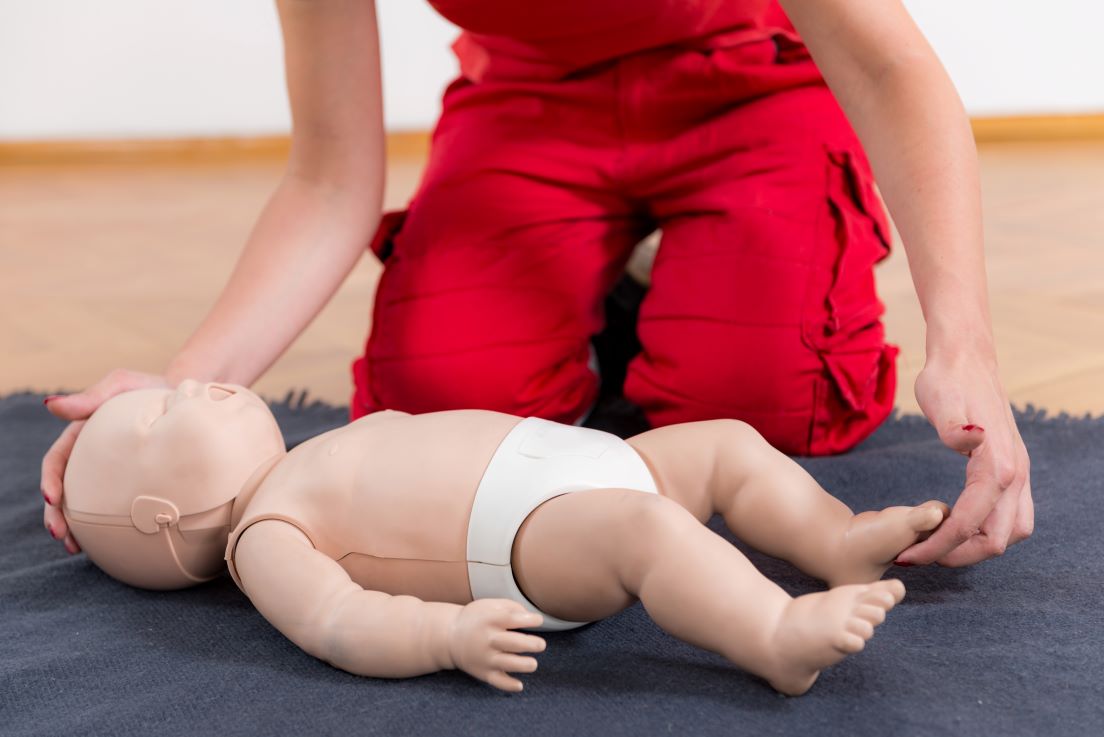
I've taught mouth-to-mouth resuscitation to childcare teachers that spend their days with kids, to tradies who operate at height, to fitness instructors that push their customers hard, and to senior citizens that care for grandkids. The concerns I listen to correspond. Suppose I damage a rib? How difficult should I push? Does rescue breathing still matter? Am I covered legally if something fails? The responses are plain, and a little technique locks them in. Allow's sort the misconceptions from the facts and lay out ideal practices, shaped by real-world lessons I've seen throughout emergency treatment and mouth-to-mouth resuscitation programs in Maitland.
Why speed and simpleness matter
Cardiac arrest is a plainspoken opponent. The heart quits pumping effectively, the person quits breathing usually, and mind cells start to die within mins. Every min without CPR and defibrillation goes down the chance of survival by about 7 to 10 percent. That seems blunt, since it is. The other side issues equally as much: early upper body compressions incorporated with rapid AED usage can triple survival in some settings.
I remember a rugby coach from East Maitland that finished a mouth-to-mouth resuscitation refresher course Maitland on a Thursday and made use of those abilities the list below Tuesday evening on a spectator that fell down. He really did not wait for perfection. He started compressions, sent a player for the AED, and put the phone on speaker. When paramedics arrived, flow had returned. That end result wasn't good luck. It was early action.
If there's a solitary regulation that threads through first aid and CPR Maitland courses, it's this: do the basic things quickly and well.
Myth: You have to be totally licensed to start CPR
The worry behind this is reasonable, but it slows down individuals down. Under Australian Do-gooder securities, bystanders that act in good belief to offer emergency situation assistance are protected from responsibility. You do not need an emergency treatment certificate Maitland to begin compressions. If you see a less competent individual who isn't taking a breath generally, call 000, placed the phone on audio speaker, and start pushing hard and fast in the centre of the chest.
Training assists, a great deal. A Maitland first aid program offers you muscle mass memory, timing, and a psychological version of what to expect. That claimed, no person ought to stand back and wait on a certified individual if seconds are ticking away. Dispatchers can trainer you with price and deepness. If an AED is nearby, it will literally chat you with pad positioning and shocks.
Myth: CPR always brings individuals back like on TV
Real end results are a lot more sobering. Mouth-to-mouth resuscitation does not reactivate a heart in the Hollywood feeling. It supplies a portion of normal blood flow to the brain and heart, purchasing time until a shock from an AED or innovative care can bring back a practical rhythm. Even premium CPR is physically requiring and often untidy. Ribs can break. Breathing might be agonal. None of this means you're doing it wrong.
Survival differs by context. Out-of-hospital cardiac arrest survival in Australia varies widely, commonly in the 10 to 30 percent brace depending on place, reason, and reaction time. Where communities are saturated with AEDs and where spectators begin compressions quickly, numbers are better. That's a solid argument for more cpr training Maitland and even more AED accessibility at clubs, health clubs, and workplaces.
Myth: You'll get sued if something goes wrong
This fear quits great people at the most awful moment. NSW Do-gooder regulations are very clear: if you act in good belief, without recklessness, you are secured. The assumption is not excellence, it's reasonable treatment. Beginning compressions if the person isn't taking a breath usually, adhere to the AED prompts, and turn over to paramedics when they arrive. File what occurred later if it's an office occurrence, but do not delay treatment out of fear.
From a useful point ofview, every emergency treatment training course in Maitland must cover the lawful fundamentals and case reporting. I encourage offices to keep an easy debrief layout: who, what, where, time, activities taken, witnesses, and tools utilized. It maintains the tale straight and aids teams learn.
Fact: Depth, rate, and recoil are the foundation
When I watch students in a mouth-to-mouth resuscitation course Maitland relocate from the class to the manikin, the initial pass is almost constantly as well shallow. We're developed to wait. The standards do not. Adults need compressions about one third of the chest depth, which exercises to approximately 5 to 6 centimetres, at a rate of 100 to 120 per min. Allow the chest totally recoil between compressions so the heart refills.
Set a rhythm. The timeless tracks at 100 to 120 beats per minute still job. I'm less worried with which track individuals keep in mind and a lot more focused on consistency. If your arms are bending, you're using your arms and will certainly stress out. Pile your shoulders over locked elbows, use your body weight, and get as near upright as the setting allows.
Fact: Hands-only mouth-to-mouth resuscitation works for most adult abrupt collapses
Compression-only mouth-to-mouth resuscitation functions well in grown-up heart attacks that start as a primary heart trouble. Distributing oxygen that's already in the blood can keep the mind to life enough time for defibrillation. Where breaths matter more is when the cause is hypoxic from the beginning: drownings, drug overdoses, children and infants, or long term downtime.
In actual events throughout Maitland first aid training, I've seen individuals freeze up over mouth-to-mouth doubt. If that's a barrier, do hands-only and send for the AED. If you're educated and eager, incorporate compressions with breaths at a 30 to 2 proportion for adults, stopping briefly to secure the air passage and provide efficient surges of the breast. If you're alone with a child or baby and suspect hypoxia, start with 5 initial rescue breaths before compressions, as you'll find out in a first aid and cpr program Maitland.
Fact: AEDs are secure, simple, and unrelenting of delays
Automated external defibrillators do not shock indiscriminately. They examine rhythm and only advise a shock when a shockable rhythm is present. I've seen people hover, worried to use pads since they may do injury. That reluctance sheds the min that chooses outcomes.

Open the situation, transform the gadget on, and follow the voice prompts. Location one pad on the upper right upper body, the various other on the reduced left side under the armpit, staying clear of drug patches and dental implanted tools. If the breast is damp, dry it rapidly. If it's unshaven and the pads will not stick, make use of the razor in the kit to get rid of a spot the size of the pad. Keep compressions going till the gadget informs you to stand clear. Then obtain directly back on the chest.
What great training looks like
A strong Maitland first aid program blends clear theory with heavy practice time. You ought to leave sensation physically tired from compressions and emotionally lighter due to the fact that the actions make sense. Sensible scenarios matter: small apartments with coffee tables in the means, a swimming pool deck took in water, a confined ute taxi after a fender bender. Life does not give you a roomy class and perfect lighting.
When I deliver first aid training courses Maitland large, I push for:
- Scenario diversity that mirrors local risks: sporting activity clubs, rural homes, flood-prone locations, and industrial sites. Repetition under moderate stress: timed drills, partner swaps, and role-played spectator chaos. Feedback tools on manikins: they quantify deepness, price, and recoil so you can correct in genuine time. AED experiment various models: not every device has the very same design or prompts. Discussion of typical judgment calls: when to quit, when to relocate the patient, and just how to manage household on scene.
That listing is not regarding ticking boxes. It has to do with inscribing practices to ensure that when the adrenaline hits, you draw on what you have actually done loads of times.
Maitland-specific facts: environment and community
Every area has peculiarities that shape first aid. Around Maitland, summertime warm and outside sport drive dehydration and exertional collapse. The Seeker River and backyard swimming pools keep drowning avoidance front of mind. Agricultural work introduces crush injuries, complexities, and chemical direct exposures. Include expanding populaces at gyms and neighborhood events, and you have plenty of members where mouth-to-mouth resuscitation may be required before a rescue can arrive.
This is where the material of first aid and cpr courses Maitland interweaves with area preparation. Sports clubs can map their AED area and make it public. Shopping centres can position devices prominently and train safety teams. Child care centres can make sure every educator keeps current certification, instead of relying on 1 or 2 team. House owners with swimming pools need to refresh CPR annually prior to summertime. When a neighborhood deals with mouth-to-mouth resuscitation like a common skill, the action void narrows.
The rib concern: doing it right can still feel wrong
When compressions are deep sufficient, ribs in some cases split, particularly in older grownups with more fragile bones. That audio or really feel can be startling. Keep going. Broken ribs are repairable. A mind deprived of oxygen is not. The statistics that matters is perfusion, not excellent makeup. I have actually spoken to graduates that struggled with guilt after listening to that snap. We speak it via, we assess their hand placement, and we remind them of the life they were attempting to preserve.
If the respiratory tract fills with fluid or vomit, roll the individual onto their side briefly, clear the mouth, and go back to compressions. That move takes technique, which is why correct emergency treatment training in Maitland includes rolling a client securely as a team.
Breaths, barriers, and reality
Rescue breaths are most efficient when they're well sealed and paired with proper head tilt and chin lift. For grownups, go for one second per breath, simply sufficient to see the chest surge. Over-ventilation can aggravate outcomes by boosting intrathoracic pressure and minimizing venous return. It's a nuance we pierce throughout Maitland emergency treatment courses due to the fact that the reaction to blow tough is solid, particularly under stress.
Carry a pocket mask in your package if you're typically around risky atmospheres like swimming pools, health clubs, or sporting clubs. They set you back little and improve both hygiene and air movement. Numerous work environments in Maitland stock keychain obstacles for personnel who complete a Maitland emergency treatment training session. If you don't have an obstacle and you're hesitant, go back to hands-only. Doing something quickly beats doing whatever late.
When to quit CPR
Stopping is as crucial as starting. You proceed until one of four things takes place: the person shows apparent signs of life, an AED tells you to quit and a pulse or breathing returns, educated assistance takes over, or you are literally overcome. If you belong to a team, turn compressors every 2 minutes or five cycles to keep high quality. Tiredness sets in faster than people anticipate. Use a timer, or at least swap at each rhythm analysis by the AED.
In remote stretches around Maitland's borders, ambulances can take much longer. This is where group control, shade if it's hot, and consistent compressor rotations issue. I have actually seen people push with warm burn out of sheer stubbornness and place themselves at risk. Handle the scene, moisten assistants if you can, and do the best possible compressions for as lengthy as you can up until help shows up or the circumstance changes.
Choking and the CPR crossover
Many first aid events that start as choking end in a loss of consciousness if the airway isn't cleared. When a choking adult or child goes unresponsive, call 000, begin mouth-to-mouth resuscitation, and check the mouth for visible blockages each time you open up the airway to give breaths. Do not Maitland first aid training blind sweep. For babies, training gets even extra particular: back blows and chest thrusts, after that CPR if they end up being unresponsive. Parents who go to an emergency treatment and mouth-to-mouth resuscitation program Maitland commonly inform me this area alone deserves the whole day.
Documentation, debrief, and aftercare
After an event, adrenaline drains and the mind replays everything. Whether you remain in a workplace that uses a Maitland emergency treatment training course as component of security conformity, or you served as a spectator at a park, 2 types of aftercare matter. Initially, record what took place, specifically if equipment was made use of. AEDs often store occasion data that can assist clinicians. Second, debrief with someone. That may be coworkers, a manager, or a wellness specialist. It's common to feel unsettled for days. Avoid the trap of would-have, should-have. Use the experience to sharpen your following response.

Workplaces in Maitland commonly run a brief huddle the next day to reset procedures. Did we know where the AED was? Did the front workdesk have the structure gain access to code ready for paramedics? Was our first aid package stocked with a razor and shears? Those little checks weigh greater than grand policies when the clock is running.
Choosing the appropriate course in Maitland
You have options: short CPR-only refreshers, full emergency treatment training courses, and mixed styles with online theory and in-person assessments. The secret is to match the training course to your risks and duties. A child care worker needs pediatric web content. A fitness trainer benefits from exertional collapse and AED drills. A construction manager should cover crush injuries and electrical hazards.
First Aid Pro Maitland and various other neighborhood service providers supply cpr programs Maitland and more comprehensive first aid training in Maitland that meet nationwide expertise systems. Ask about class dimension, hands-on ratio, and tools top quality. If the teacher claims you'll be pressing on a manikin with comments indicators and making use of genuine AED instructors, you remain in great hands. If you're restoring, a cpr correspondence course Maitland yearly maintains abilities sharp. If you're new, a complete Maitland first aid course will offer you a fuller structure to handle a bigger series of emergencies.
Home and work environment preparedness: the silent half of success
Training is half the equation. The other fifty percent is preparedness: where the equipment is, what form it's in, and that knows about it. I've seen an AED locked in a cabinet without any keyholder on website, and an emergency treatment package buried behind a photocopier. Neither aids during a crisis. Consider a brief quarterly check. Maintain it boring and consistent.
- AED obtainable, battery indication excellent, pads in date, extra pediatric pads if youngsters are present, scissors and razor included. First aid package stocked, handwear covers and pocket mask available, well-known area and signage.
Two mins of regular attention can conserve thirty seconds of turmoil. In a cardiac arrest, those thirty secs matter greater than virtually any line of policy.
Common edge situations and practical judgment
No classroom can manuscript every scene, however patterns appear.
At the pool: Get rid of the person from the water, completely dry the upper body rapidly, and apply the AED pads. Water carries out electrical energy, however AEDs are made to be secure when the pads stick well and the upper body is dry. Oxygen starvation is the likely reason, so breaths are specifically important if you're trained.
On the roadside: Ensure your own safety initially. If website traffic is live, reposition ideally. A difficult surface under the patient issues. Soft beds and car seats take in compression force and reduce efficiency. If you need to move the individual to the ground, coordinate and shield the neck as best you can without shedding valuable time.
During sport: Unexpected cardiac arrest in a young athlete is uncommon however terrible. An AED at the sideline and skilled volunteers change chances considerably. If a collapse follows an upper body influence in youth sport and breathing stops, begin CPR and make use of the AED instantly. Commotio cordis is unrelenting of delay.
In warmth: Warmth anxiety can creep up on rescuers. If you're outdoors in January in Maitland pushing compressions, turn more regularly and create shade. If you're alone, do your finest for as long as you safely can.
With family members existing: Appoint a person to be the factor of contact and keep them educated in ordinary language. Transporting their necessity into helpful jobs, like directing paramedics to the exact place or getting medicines and a health and wellness recap, supports the scene mentally and practically.
How learning sticks
People remember what they feel and do, not what they listen to as soon as. The better Maitland emergency treatment training programs space technique, use real-time responses, and revisit situations a week or two later through refreshers or micro-drills. At a producing website I sustain, supervisors run a five-minute mouth-to-mouth resuscitation pierce every month: a two-minute compression round with the responses manikin. It's sweaty, short, and effective.
For families, set a pointer before summer season starts to examine the swimming pool gate, upgrade the emergency situation contact listing, and view a two-minute AED tutorial from your device's producer. If you've failed to remember where your pocket mask is, buy a new one and clip it to your kit. Tiny habits layer right into readiness.
The human side: consent to act
Technique matters, however permission is the driver. Individuals need to really feel enabled to intervene. That comes from society as long as curriculum. When a manager who's just done a Maitland emergency treatment program claims at a group meeting, If someone drops, I expect us to start mouth-to-mouth resuscitation right away while someone else gets the AED, they signal what good appear like. When a sporting activities club announces where its AED is before a season begins, it stabilizes activity. When moms and dads discuss rescue breaths and choking first aid at the kitchen area table, teenagers discover that actioning in becomes part of neighborhood life.
I've returned to websites months after training and heard the silent, happy stories. A fitness center participant that identified agonal breathing and began compressions without waiting on team. A grandma that cleared an infant's air passage with practiced back strikes. A neighbor who fractured a rib but maintained dropping in a male restore a pulse before transportation. These aren't isolated heroics. They are the steady outcomes of a community that deals with emergency treatment as a shared skill.
Bringing it all with each other for Maitland
Here is the spinal column that holds everything up: recognize cardiac arrest swiftly, call 000 on audio speaker, begin compressions hard and fast at 100 to 120 per minute, utilize the AED as quickly as it arrives, and don't stop until there's a clear factor. Hands-only is great for most grown-up abrupt collapses. Include breaths if trained and the circumstance suggests hypoxia. Anticipate blemish. Stand up to delay.
If it has been a while because you educated, book a mouth-to-mouth resuscitation course Maitland or a complete emergency Maitland first aid course treatment program in Maitland that suits your role. If your workplace hasn't run a Maitland first aid training session in the in 2015, routine one and consist of AED drills. If your club has an AED, place it where anybody can order it in under a minute and mark it clearly.
The myths will keep flowing, but they fail against experience. Truths and finest methods stand up in the untidy mins when a life hangs in the balance. Maitland has the people, the locations, and the appetite to be an area where cardiac arrests are consulted with confident hands and fast shocks. That's not hopeful reasoning. It's a functional goal within reach, built through training, readiness, and authorization to act.